
Environmental sustainability
We focus our environmental work on reducing the climate impact of our operations, improving energy efficiency, developing resource efficiency and the circular economy, and reducing the impact of construction on nature.
We focus our environmental work on reducing the climate impact of our operations, improving energy efficiency, developing resource efficiency and the circular economy, and reducing the impact of construction on nature. Our sustainability principles and our ISO14001-certified environmental management system guide all our activities.
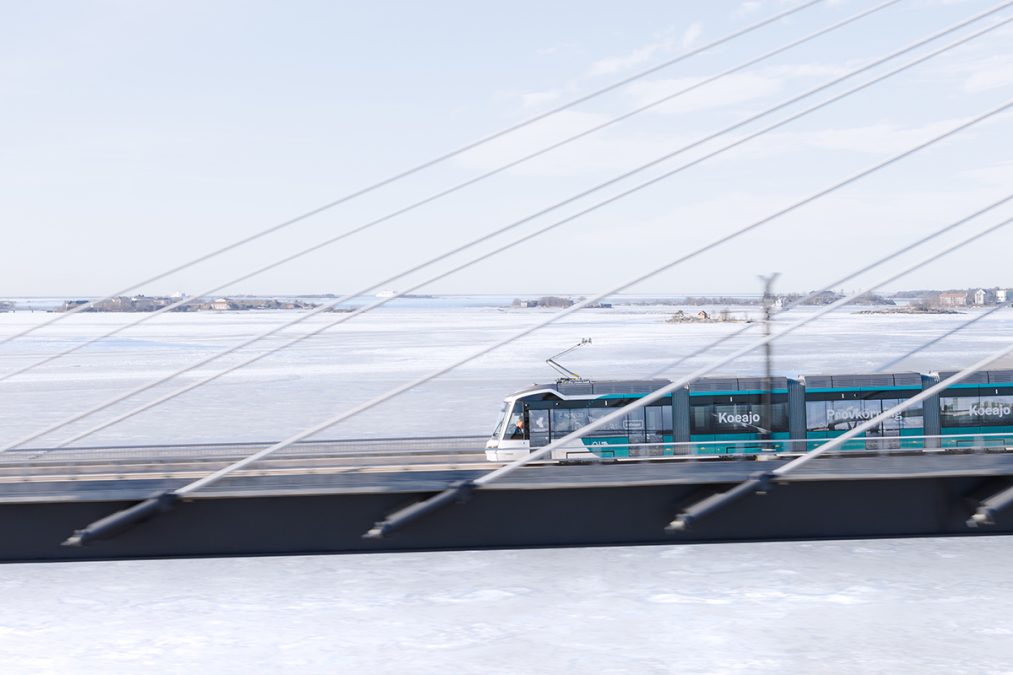
The sustainable, high-quality and appealing rail transport that we provide reduces the need for private cars and enables the development of a dense, rail-based urban structure. Our tram and metro transport is completely emission-free, as we use only emission-free electricity. This means we are reducing the transport sector’s carbon footprint in the Helsinki Metropolitan Area, as well as local emissions and noise.
However, the construction of new rail infrastructure and the procurement of transport vehicles generate significant carbon dioxide emissions, which we aim to reduce as a central focus of our environmental work. By focusing on resource efficiency and the circular economy, we reduce not only emissions but also the use of natural resources. The construction of new tracks and depots often takes place in green areas, but we take nature values into account in our projects. We aim to add urban greenery to the existing infrastructure by means such as green roofs and walls.
The services we produce consume a lot of energy, but our energy use has low emissions. Energy efficiency is a cost issue for us, but improving it can also affect the overall load and security of supply of the energy system. By increasing our own renewable energy production, we are reducing our dependence on energy price fluctuations.
Climate
We set ambitious climate and environmental objectives for all construction projects, as well as environmental requirements and criteria for procurements. We aim to change the entire infrastructure and transport services sector by setting requirements and encouraging operators to develop new, more environmentally friendly solutions.
Our strategic objective is to achieve carbon neutrality by 2030. A significant proportion of our emissions comes from investments, particularly construction projects and equipment procurements. That is why we are committed to minimising the greenhouse gas emissions of our investments. We set ambitious climate and environmental objectives for all construction projects, as well as environmental requirements and criteria for procurements. We aim to change the entire infrastructure and transport services sector by setting requirements and encouraging operators to develop new, more environmentally friendly solutions.
We are committed to reducing greenhouse gas and local emissions from construction sites, machinery, and vehicles, in line with the Emission-free Construction Sites Green Deal agreement. We use only renewable fuels, and we are increasing the use of vehicles and machinery that meet the emission criteria and run on alternative energy sources, both in our own operations and our contracts.
We are working to better adapt to climate change in urban environments through innovative, nature-based solutions. In particular, we are preparing for increasing extreme weather events resulting from climate change in the metro infrastructure, such as stormwater floods.
The electricity that we purchase for transport has been emission-free since 2012, and since 2024, our electricity for properties has also been emission-free. We are also committed to improving the energy efficiency of our properties and transport operations, and to increasing small-scale renewable energy production. In our property construction and renovation projects, we aim to minimise the need for purchased energy.
Our strategic objective is to be carbon-neutral in terms of direct emissions from our own operations (Scope 1) and purchased energy (Scope 2) from 2025 onwards, and carbon-neutral throughout the lifecycle of our value chain and operations (Scope 3) from 2030 onwards.
| Objective/indicator | Result in 2025 | Result in 2024 |
|---|---|---|
| Zero direct emissions from in-house operations (Scope 1) | 1,684 t CO2e | 2,106 t CO2e |
| Direct emissions from in-house operations (Scope 1) excluding the fuel consumption of Suomenlinnan Liikenne vessels | 429 t CO2e | 889 t CO2e |
| Zero market-based emissions from purchased energy (Scope 2) | 4,758 t CO2e | 5,405 t CO2e |
| Carbon neutrality in value chain emissions in 2030 (Scope 3) | 47,195 t CO2e | 77,916 t CO2e |
| 100% renewable fuel in in-house vehicles and machinery | 90% | 41% |
| 100% emission-free electricity | 100% | 100% |
| 100% emission-free district heating | 0% | 0% |
In 2025, we joined the Energy Efficiency Agreement for the Public Sector (JETS), and our aim is to reduce our energy consumption by 10% by 2035. The achievement of the target will be measured by the savings impact of the energy efficiency measures implemented. Data on the results will be available from 2026 onwards. In the meantime, we will monitor our energy efficiency regarding properties based on specific consumption and regarding transport based on the driving index.
Our measures to achieve our carbon-neutrality objective are defined in the Carbon-Neutral Urban Transport (Hilkka) programme. For example, we are constantly working to reduce emissions from construction materials such as concrete and steel and worksite operations, to improve the energy efficiency of properties and transport equipment, to increase small-scale renewable energy production, and to reduce emissions from equipment production.
Biodiversity
We are committed to reducing the impact of our construction projects on nature by preserving existing nature, compensating for the loss of nature values due to construction and increasing biodiversity.
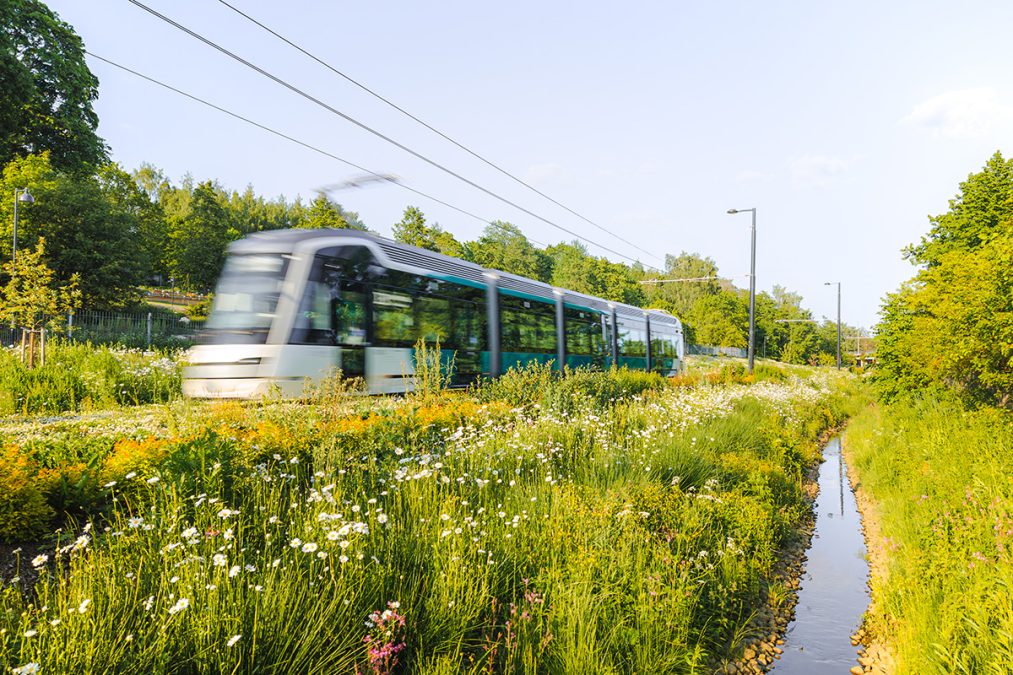
Our major new construction projects have a direct impact on biodiversity by changing land use. Our renovation projects take place mainly in the built environment, but we can increase urban greenery through measures such as green roofs and walls. Our material procurements have indirect impacts on biodiversity, e.g. through mining operations.
We are committed to reducing the impact of our construction projects on nature by preserving existing nature, compensating for the loss of nature values due to construction and increasing biodiversity. We utilise ecological assessments and green factors when defining and verifying the objectives of our major new construction projects. We are also committed to accounting for the biodiversity impacts across our entire value chain in our procurements.
Metropolitan Area Transport does not currently have company-level objectives or indicators related to biodiversity, but we will define objectives during 2026 as part of our responsibility strategy.
We implement biodiversity-related measures, particularly on our major infrastructure and depot projects. These projects involve carrying out an ecological assessment, based on which we select solutions that support biodiversity. We have conducted various trials and pilots within the existing infrastructure, and we are utilising the lessons learned to develop our operations.
Circular economy and resource use
We are committed to improving our resource efficiency and reducing our reliance on fossil materials by developing and procuring sustainable, repairable solutions.
Every year, we procure an enormous range and amount of materials, including trams, metro trains, various construction materials, vehicles, machinery, spare parts, fuels, chemicals, and rails. These materials consume non-renewable natural resources. We are committed to improving our resource efficiency and reducing our reliance on fossil materials by developing and procuring sustainable, repairable solutions.
We set circular economy objectives in line with the Circular Economy Green Deal commitment, which we joined in autumn 2025. Accordingly, we aim to increase the reuse of building components, particularly, and to recycle soil materials and aggregates more efficiently.
Particularly in our construction projects, we are constantly seeking new ways to improve material efficiency and to use circular-economy materials. Our most significant measure to improve the circular economy is to set project-specific circular economy targets for our construction projects, which guide their planning and implementation.
The amount and quality of waste generated in our own operations vary considerably, depending on factors such as the number and quality of maintenance worksites. We always aim to sort and recycle as much of our waste as possible and ensure our waste management complies with current legislation and regulations.